Provided Airspace
Users can choose between various simulated Scenarios, many of which can take place in a chosen Airspace.
The Airspaces included in the bluebird-dt digital twin at the moment are:
I-sector
This is a simple linear sector, with only two entry/exit windows at the North and South ends.
from bluebird_dt.airspace_generator import SectorI

airspace, routes = SectorI(width=20, height=60, fl_limits=(200, 300)).generate_airspace()
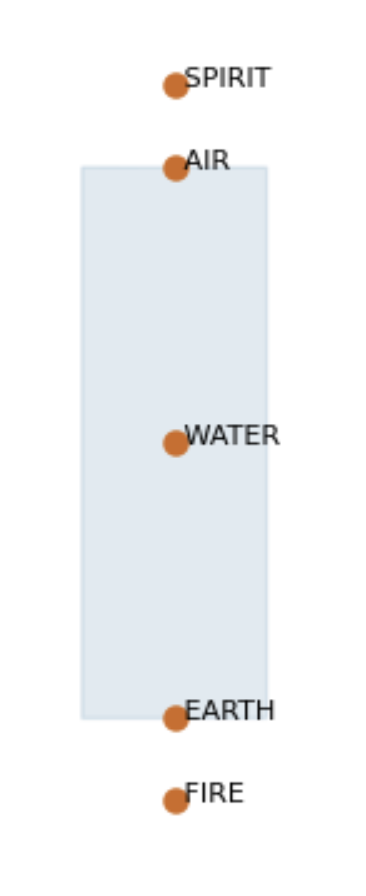
The API reference for the SectorI constructor is available in the source reference
Y-sector
This Y-shaped sector can have aircraft coming from any of three directions, and converging on the fix in the centre.
from bluebird_dt.airspace_generator import SectorY

airspace, routes = SectorY(
    width=20,
    height=60,
    fl_limits=(200, 300),
    alpha=52.5,
).generate_airspace()
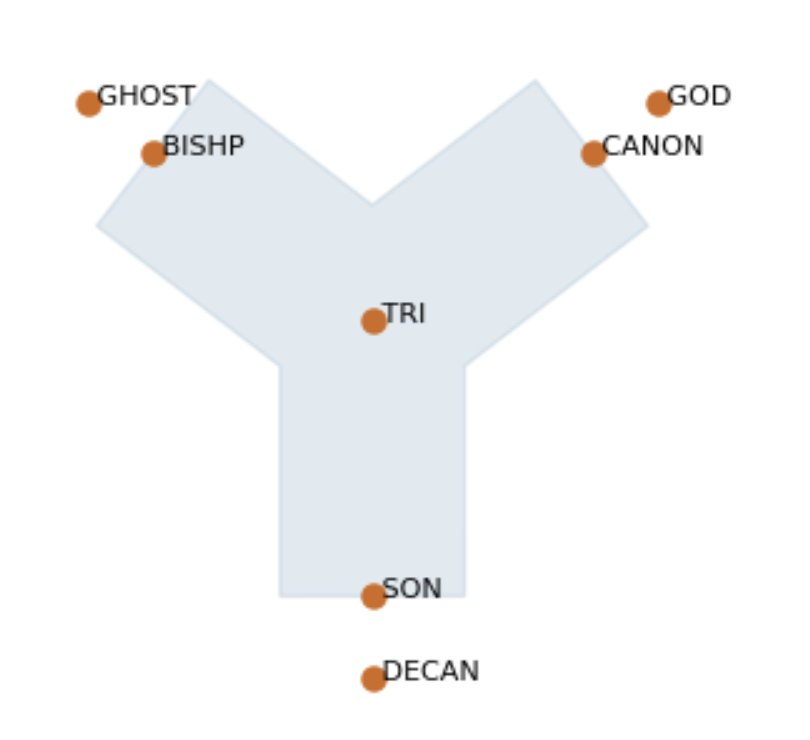
The API reference for the SectorY constructor is available in the source reference
X-sector
The X-sector is essentially two I-sectors at 90 degree angle to one another, crossing over in the centre. There are numerous possibilities for conflicts arising from aircraft entering from different legs of the sector.
from bluebird_dt.airspace_generator import SectorX

airspace, routes = SectorX(
    width=20,
    height=60,
    fl_limits=(200, 300),
    alpha=52.5,
).generate_airspace()
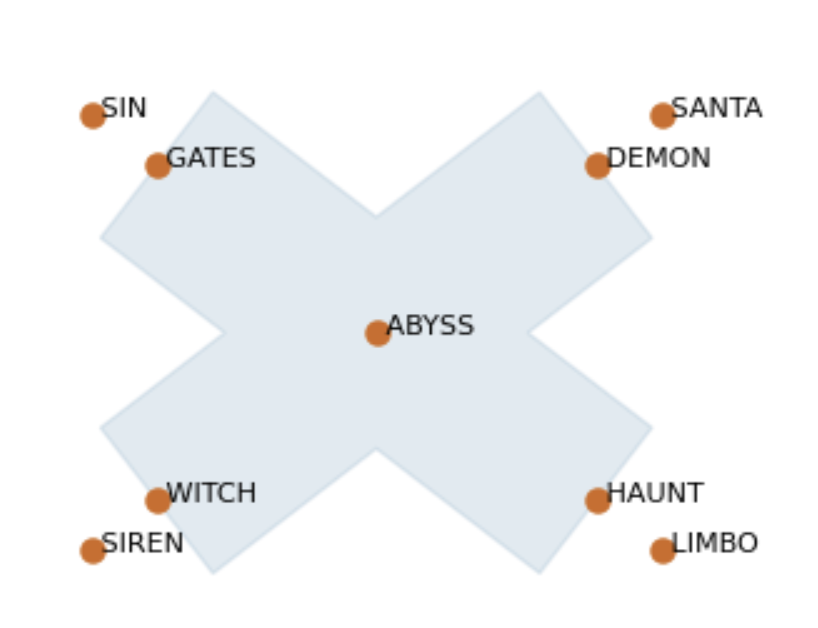
The API reference for the SectorX constructor is available in the source reference
Xplus-sector
The Xplus-sector is similar to the X-sector, but with an asymmetric cutout, meaning there is a wider region of allowed airspace, and more possible routes.
from bluebird_dt.airspace_generator import SectorXPlus

airspace, routes = SectorXPlus().generate_airspace()
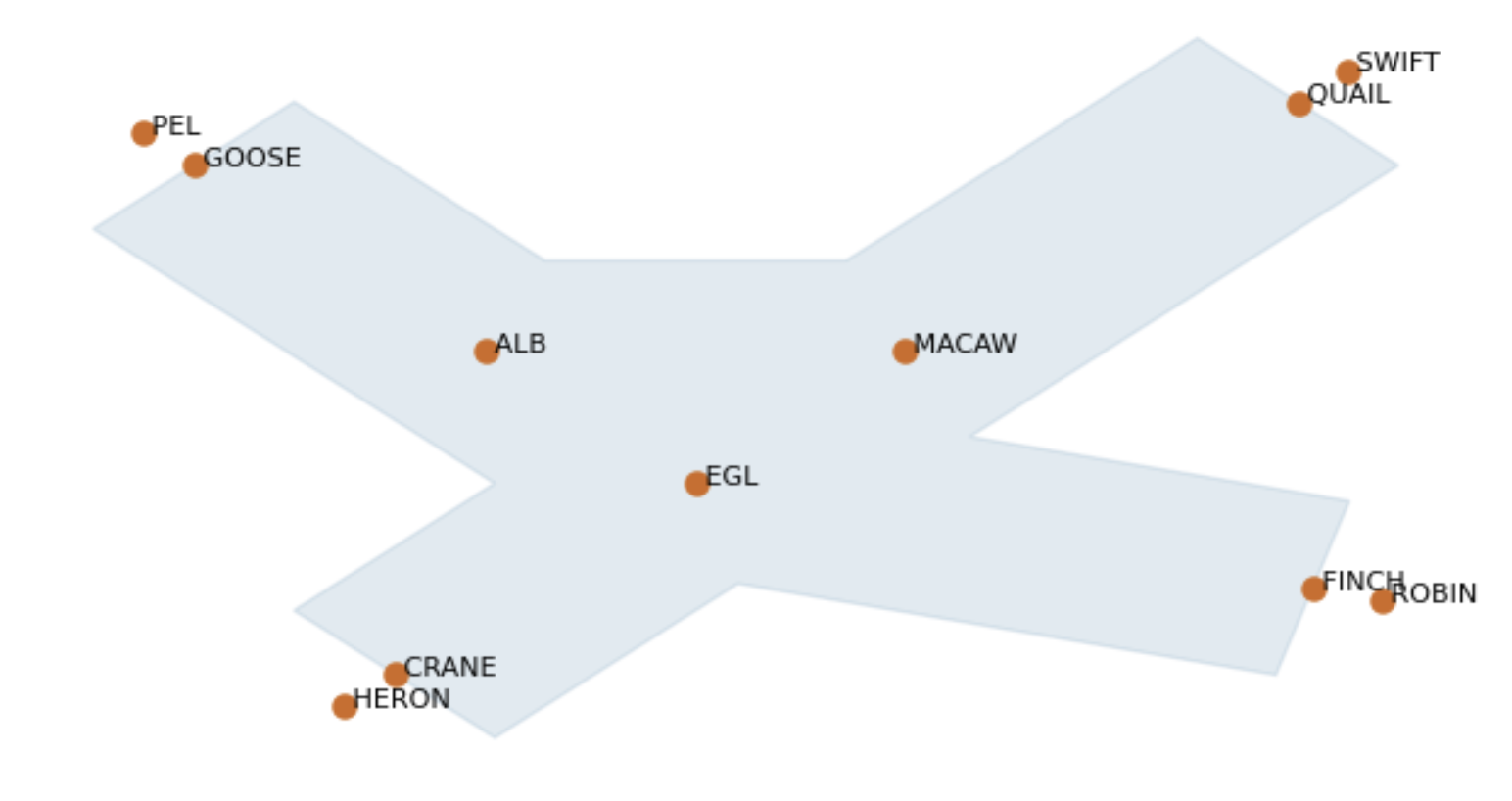
The API reference for the SectorXPlus constructor is available in the source reference
Springfield
The Springfield sector, with its surrounding sectors, is a synthetic airspace that is designed to test agents on many of the challenging situations that could arise in real ATC.
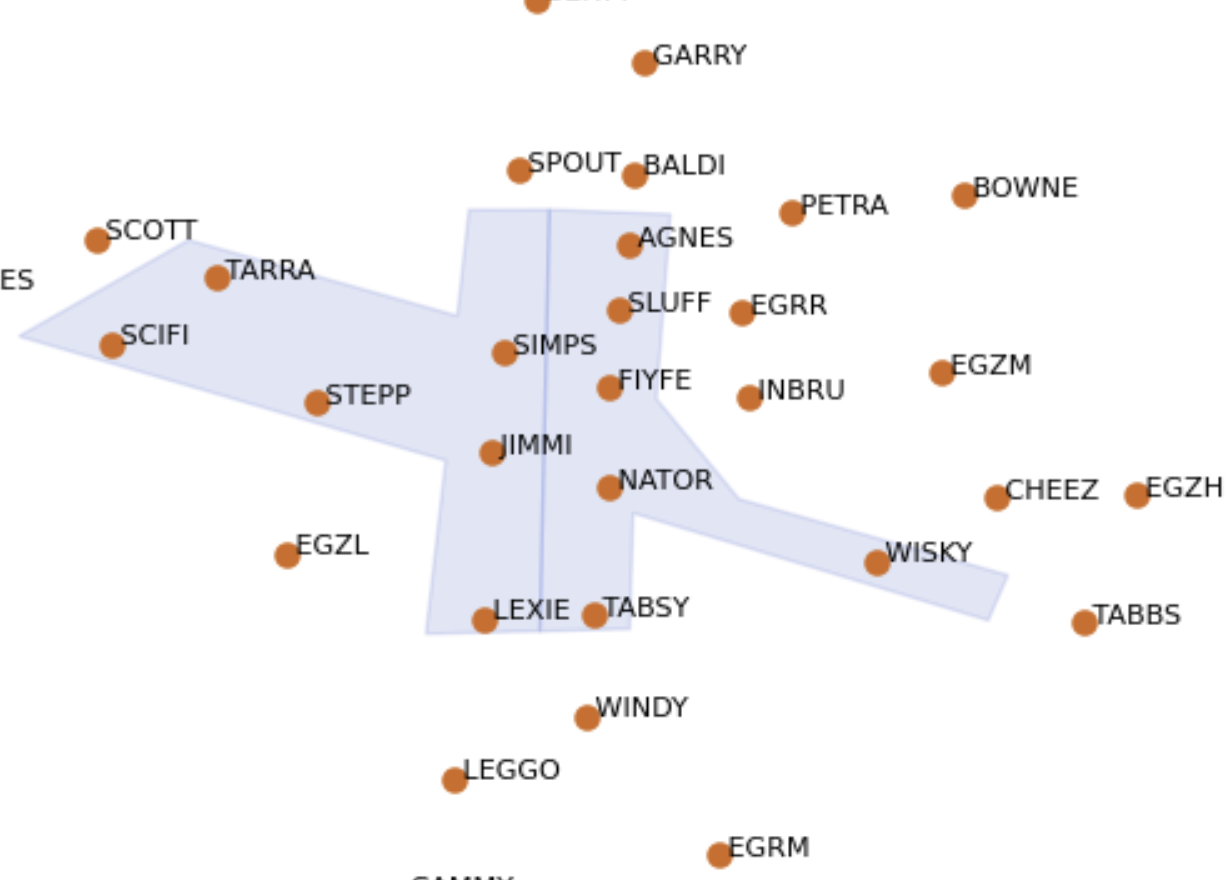
The Springfield airspace is initialised using the Springfield scenario manager described here